


You can't build credit without credit—but you can't get credit without a credit history. It's the classic chicken-and-egg problem that leaves millions of people stuck before they even start.
The path forward is simpler than it seems. This guide walks you through the types of cards designed for thin or nonexistent credit files, what features actually matter when you're starting out, and how to use your first card to build a score that opens doors.
What is considered a limited credit history
A limited credit history means the three major credit bureaus—Equifax, Experian, and TransUnion—have little or no information about how you've handled credit in the past. You might hear this called a "thin file" or being "credit invisible."
Why does this happen? A few common reasons:
- You're new to credit: Maybe you just turned 18 or recently graduated and haven't opened any accounts yet.
- You moved to the U.S. recently: Credit histories don't transfer between countries, so even if you had excellent credit elsewhere, you're starting fresh here.
- You haven't used credit in years: If all your old accounts closed and nothing new replaced them, your file can go thin again.
Without enough data, bureaus can't generate a credit score. And without a score, most lenders won't approve you for traditional credit cards. It feels like a catch-22—you can't get credit because you don't have credit.
The good news is that several card types exist specifically for people in your situation.
Types of credit cards for people with no credit
Not every credit card requires years of borrowing history. Here are the main categories designed for people just starting out.
Secured credit cards for no credit
A secured credit card works like a regular credit card, with one key difference: you put down a refundable security deposit upfront. That deposit typically becomes your credit limit. So if you deposit $300, you get a $300 limit to work with.
Why would a lender offer this? The deposit reduces their risk. If you don't pay your bill, they keep the deposit. Because of this safety net, secured cards are often the easiest approval path when you have no credit history at all.
Here's the part that matters most: secured cards report your payment activity to the credit bureaus, just like any other card. Use it responsibly for several months, and many issuers will refund your deposit and upgrade you to a regular unsecured card.
Student credit cards for no credit history
If you're enrolled in college, student credit cards offer another route. Issuers design them with beginners in mind, so approval requirements are more relaxed than standard cards.
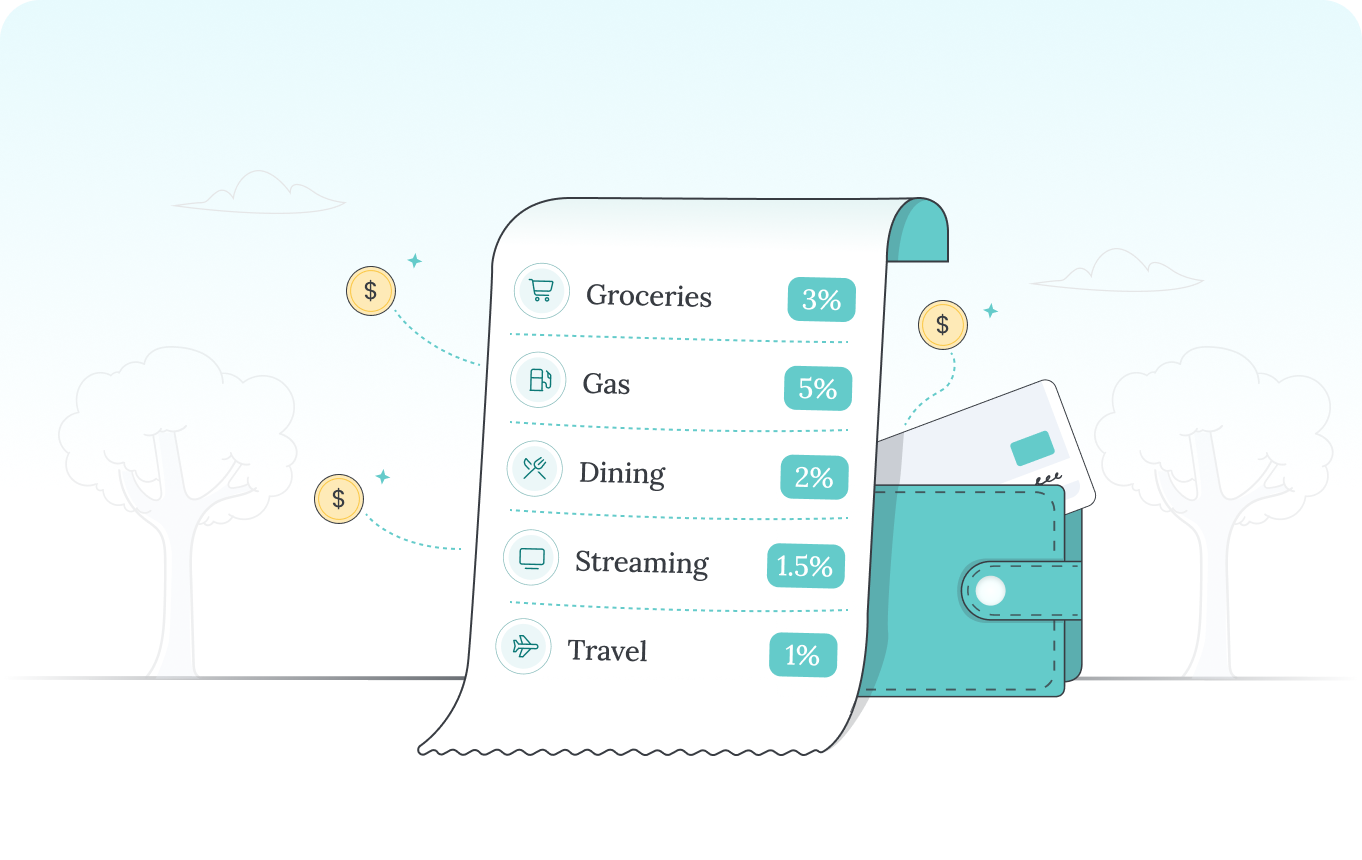
You won't put down a deposit, though credit limits tend to stay modest—often a few hundred dollars to start. Some student cards offer cash back on purchases like dining, gas, or streaming services, which is a nice bonus while you're building your credit foundation.
One thing to keep in mind: you'll typically provide proof of enrollment when you apply.
Credit-builder cards
Credit-builder cards flip the traditional model. Instead of borrowing money and paying it back, your payments go into a savings account. Once you've paid off the balance, you get that money back.
Think of it as forced savings that also builds your credit history. The card issuer reports your payments to the bureaus, so you're establishing a track record while setting aside money for yourself. It's a slower approach, but it works well for people who want to avoid the temptation of overspending.
Store credit cards
Retail store cards—the kind offered at checkout by department stores, gas stations, or clothing retailers—often approve applicants with limited credit. They can help you build a payment history if you use them carefully.
However, store cards come with trade-offs. Most only work at that specific retailer, and interest rates run higher than general-purpose cards. If you go this route, paying off your balance each month helps you avoid steep interest charges.
Best credit cards for no credit history
When you're comparing options, focus on features that fit your situation rather than chasing flashy rewards. Here's how different card types stack up:
Best no annual fee card for no credit
When you're just getting started, paying an annual fee doesn't make much sense. Why hand over $50 or $100 each year when you're still building your credit foundation?
Plenty of secured and student cards charge nothing annually while still reporting to all three bureaus. Look for those first.
Best secured card for no credit
The strongest secured cards share a few traits worth looking for:
- Reports to all three bureaus: This is how you actually build credit.
- Low or no annual fee: Keeps your costs down while you're starting out.
- Clear upgrade path: After several months of on-time payments, the issuer reviews your account and may return your deposit, converting your card to an unsecured version.
Some secured cards even offer modest cash back—1% or 2%—which is a nice perk while you're establishing your history.
Best student card for no credit
For students, look for cards with cash back on categories you actually spend in. Restaurants, groceries, and streaming subscriptions are common options.
No annual fee is standard for student cards. Many also include tools to help you track spending and set payment reminders, which can be helpful when you're managing money on your own for the first time.
What to look for in a first time credit card
So what features actually matter when you're picking your first card? Let's break it down.
Annual fees and APR
APR stands for Annual Percentage Rate—it's the interest charged on any balance you carry from month to month. For first-time cardholders, APRs often land somewhere between 20% and 30%.
The simplest way to avoid paying interest entirely? Pay your full balance before the due date each month. As for annual fees, many beginner cards charge nothing, so there's little reason to pay one right now.
Security deposit and credit limit
For secured cards, your deposit usually determines your credit limit. A $500 deposit typically means a $500 limit.
After six to twelve months of responsible use, some issuers review your account and may increase your limit or refund your deposit. It's worth asking about upgrade policies before you apply.
Rewards and cash back
Some no-credit cards offer rewards, but this probably isn't your top priority right now. Building a solid credit history matters more than earning 1% back on purchases.
That said, if two cards look similar and one offers cash back, you might as well take it.
Credit bureau reporting
This one is non-negotiable. If a card doesn't report your activity to the credit bureaus, it won't help you build credit—which defeats the whole purpose.
Before applying, confirm the card reports to all three major bureaus: Equifax, Experian, and TransUnion. Most reputable cards do, but it's worth double-checking.
How to get a credit card with no credit
Ready to move forward? Here's a straightforward path to follow.
1. Check your credit report for errors
Even if you have no credit history, pulling your free report at AnnualCreditReport.com is worth the few minutes it takes. You're looking for errors or signs of fraud—like accounts you didn't open or addresses you've never lived at.
Catching mistakes early prevents headaches later.
2. Compare credit cards for your situation
Don't apply for the first card you come across. Compare several options based on the criteria we covered: fees, deposit requirements, bureau reporting, and any rewards.
Tip: Tools like Wisepal can help you compare financial products side by side without spending hours researching on your own.
3. Gather required documents
Most applications ask for a few standard items:
- Social Security number
- Proof of income (pay stubs, tax returns, or bank statements)
- Government-issued ID
- Current address
Having everything ready speeds up the process.
4. Submit your application
Online applications typically take just a few minutes, and you'll often get an instant decision. Some applications require additional review, which can take a few days.
One important note: avoid applying for multiple cards at once. Each application triggers a hard inquiry on your credit report, and too many inquiries in a short period can work against you.
5. Use your card responsibly
Getting approved is just the first step. What you do next determines whether your credit score grows or stalls—which brings us to the next section.
How to build credit with your first card
Your card is a tool. How you use it matters far more than which card you chose.
Pay your balance in full each month
Paying in full accomplishes two things at once: you avoid interest charges, and you build a positive payment history. Payment history is the single biggest factor in your credit score.
Even if you only make small purchases—a coffee here, a streaming subscription there—pay them off completely before the due date.
Keep your credit utilization low
Credit utilization is the percentage of your available credit you're actually using. If you have a $500 limit and carry a $250 balance, your utilization is 50%.
Most experts suggest keeping utilization below 30%, and lower is better. A low utilization rate signals to lenders that you're not overextended. One easy way to manage this: make a payment before your statement closes, not just before the due date.
Avoid opening too many accounts at once
Once you start getting approved, it's tempting to apply for several cards. But each application creates a hard inquiry, and opening multiple accounts quickly can make you look risky to lenders.
Focus on one card first. Build a track record over six to twelve months. Then consider adding another account if it makes sense for your situation.
Find the right card and start saving with Wisepal
Comparing credit cards doesn't have to mean hours of research. Wisepal helps you find financial products that match your situation—whether you're building credit for the first time or looking for better rates on products you already have.
The service is completely free, and Wisepal never sells your data. You stay in control of what changes and what doesn't.

.png)