
Car insurance rates have climbed steadily over the past few years, and many drivers are paying more than they realize for the same coverage they could get elsewhere. The average American spends over $2,000 a year on auto insurance—but that number varies wildly depending on who you ask and which company you're with.
The strategies that actually move the needle aren't complicated. This guide covers nine ways to lower your car insurance, from quick wins like asking for discounts to longer-term moves like improving your credit score.
Why Your Car Insurance Costs So Much
Car insurance premiums come down to risk. Insurers look at how likely you are to file a claim and how expensive that claim might be. The factors they weigh include your driving record, where you live, your age, the car you drive, your credit score (in most states), and how much coverage you carry.
Some of these factors are fixed. You can't change your age or move to a cheaper zip code just to save on insurance. But others are within your control, and that's where the real savings opportunities live.
Here's what typically affects your rate:
- Driving history: Accidents and tickets signal higher risk, which means higher premiums.
- Location: Cities with more traffic, theft, and accidents cost more to insure.
- Age: Younger drivers pay more because they're statistically more likely to have accidents.
- Vehicle: Expensive cars, sports cars, and frequently stolen models cost more to cover.
- Credit-based insurance score: Most states allow insurers to factor in a version of your credit history.
- Coverage level: More coverage and lower deductibles mean higher premiums.
1. Shop Around and Compare Rates
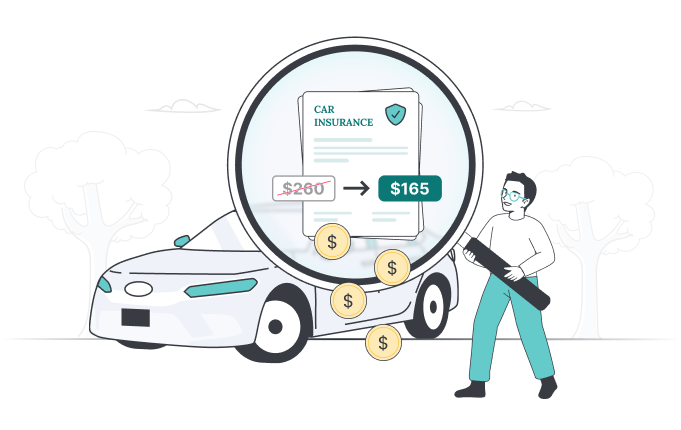
Different insurers charge different prices for the exact same coverage. The formulas they use to calculate risk vary, so one company might see you as low-risk while another charges you significantly more. Shopping around is consistently the most effective way to find a lower rate.
The difference between quotes can be substantial. Two insurers looking at the same driver, same car, and same coverage can come back with prices that are hundreds of dollars apart.
How Often to Compare Car Insurance Quotes
Every time your policy renews is a good time to check what else is out there. Most policies renew every six or twelve months. Beyond that, major life changes often affect your rate. Moving to a new address, getting married, buying a different car, or improving your credit can all shift what insurers charge you.
How to Compare Policies Apples to Apples
A lower quote doesn't mean much if it comes with less coverage. When you're comparing, make sure each quote includes the same liability limits, the same deductible amounts, and the same add-ons like rental reimbursement or roadside assistance.
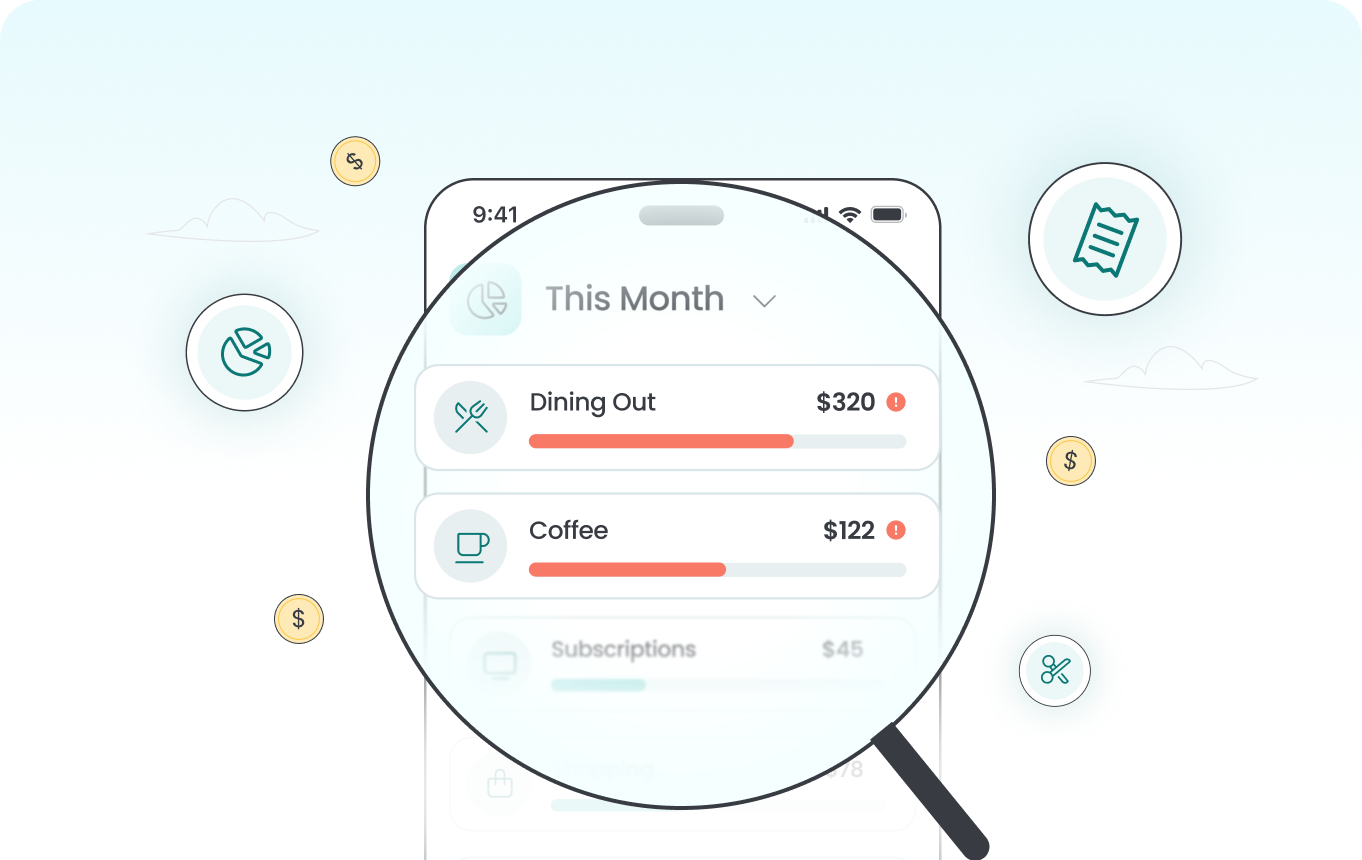
Matching all those details manually takes time. Wisepal can automate this by scanning your current policy and finding alternatives with equivalent coverage at a lower price.
2. Bundle Your Auto and Home Insurance
Bundling means buying multiple policies from the same insurer. If you have both auto and home insurance, or auto and renters insurance, combining them with one company often qualifies you for a multi-policy discount.
The discount typically ranges from 5% to 15% on each policy. It's one of the simpler ways to pay less without changing what's actually covered.
3. Ask About Every Discount You Qualify For
Insurers offer a long list of discounts, but they don't always apply them automatically. Sometimes you have to ask. A quick review of your policy or a call to your insurer can uncover savings you didn't know were available.
Safe Driver Discount
If you've gone a few years without accidents or moving violations, you likely qualify. This discount rewards a clean driving record.
Good Student Discount
Young drivers who maintain a B average or better in school can often get a discount. Insurers see good grades as a sign of responsibility.
Low Mileage Discount
Driving fewer miles means less time on the road and less exposure to accidents. If you drive under 7,500 to 10,000 miles per year, ask whether you qualify.
Pay in Full Discount
Paying your entire premium upfront instead of in monthly installments often comes with a discount. You also avoid the installment fees that some insurers charge.
Multi-Vehicle Discount
Insuring more than one car on the same policy usually qualifies you for a discount.
Defensive Driving Course Discount
Completing a state-approved defensive driving course can lower your premium. Some insurers offer this even if you don't have any violations on your record.
Mature Driver Discount
Drivers over 55 who complete a refresher driving course may qualify for additional savings.
Tip: At each renewal, review the full list of discounts your insurer offers. You might find one that applies to you now but didn't before.
4. Raise Your Deductible
Your deductible is the amount you pay out of pocket before your insurance covers the rest of a claim. A $500 deductible means you pay the first $500; a $1,000 deductible means you pay the first $1,000.
Choosing a higher deductible lowers your premium because you're agreeing to cover more of the cost yourself if something happens.
How Much to Raise Your Deductible
The trade-off is straightforward. A higher deductible means a lower monthly payment, but it also means more out-of-pocket expense if you file a claim. Only raise your deductible to an amount you could actually afford to pay if you needed to.
When a Higher Deductible Makes Sense
A higher deductible tends to work well if you have savings set aside for emergencies, if you rarely file claims, or if you have a clean driving record and feel confident you won't need to use your insurance anytime soon.
5. Improve Your Credit Score
In most states, insurers use something called a credit-based insurance score when setting your rate. This isn't exactly your credit score, but it's built from similar information. A better score generally means a lower premium.
How Credit Affects Car Insurance Rates
Insurers have found a correlation between credit history and the likelihood of filing claims. People with lower credit scores tend to file more claims, on average. A few states have banned this practice entirely, including California, Hawaii, and Massachusetts.
Simple Ways to Boost Your Credit
- Pay bills on time: Payment history carries the most weight in your credit score.
- Keep credit card balances low: Using less than 30% of your available credit helps.
- Avoid opening accounts you don't need: Each new application can temporarily lower your score.
- Check your credit report for errors: Mistakes happen, and disputing inaccuracies can improve your score.
6. Maintain a Clean Driving Record
Accidents and violations stay on your record for several years. A speeding ticket might affect your rate for three years. An at-fault accident can stick around for five. A DUI can impact your premium even longer.
Safe driving is a long-term savings strategy. The longer you go without incidents, the more you'll save over time.
7. Drive Less or Use a Telematics Program
Fewer miles on the road means less exposure to accidents. Many insurers offer discounts for low-mileage drivers, and some have programs that track your actual driving habits.
What Is Telematics Insurance
Telematics programs use a small device or a smartphone app to monitor how you drive. They track things like how fast you accelerate, how hard you brake, what time of day you're on the road, and how many miles you log. Based on your actual behavior, insurers may offer personalized discounts.
Who Benefits Most From Usage-Based Insurance
Telematics programs tend to work best for people who don't drive much, who drive cautiously, or who work from home. If you're comfortable sharing your driving data with your insurer, it can be a way to pay based on how you actually drive rather than how the average person in your demographic drives.
8. Review Your Coverage and Remove What You Don't Need
Over time, your coverage needs can change. A policy that made sense three years ago might include things you no longer need. Reviewing your coverage periodically can reveal places where you're paying for protection that doesn't fit your current situation.
Coverages You Might Be Able to Drop
- Collision and comprehensive on older vehicles: If your car's value has dropped significantly, the premium for these coverages might exceed what you'd receive in a payout.
- Rental car reimbursement: If you have a second vehicle or wouldn't need a rental after an accident, this coverage may not be worth the cost.
- Roadside assistance: If you already have this through AAA, your car manufacturer, or a credit card, you're paying for the same thing twice.
When to Keep Full Coverage
If you have a loan or lease on your vehicle, your lender almost certainly requires full coverage. Even if you own your car outright, keeping collision and comprehensive coverage makes sense for newer or more valuable vehicles where a total loss would be a significant financial hit.
9. Choose a Car That Is Cheaper to Insure
The car you drive directly affects your premium. Insurers consider how much it costs to repair, how safe it is, and how often that model gets stolen.
Safety Features That Lower Insurance Costs
Cars with certain safety features often qualify for discounts. Anti-lock brakes, airbags, anti-theft devices, backup cameras, and advanced features like lane departure warning or automatic emergency braking can all help lower your rate.
Vehicle Types That Cost More to Insure
Sports cars, luxury vehicles, and models with high theft rates typically come with higher premiums. If you're shopping for a new car and insurance costs matter to you, getting a quote before you buy can help you factor that expense into your decision.
How Much Can You Save on Car Insurance
Savings vary depending on your situation and which strategies you use. Someone who shops around, raises their deductible, and asks for discounts might save a few hundred dollars a year. Someone who also improves their credit and switches to a cheaper-to-insure vehicle might save significantly more.
The Easiest Way to Lower Your Car Insurance
Finding savings on your own means gathering quotes, comparing coverage details, and calling insurers to ask about discounts. It works, but it takes time.
Wisepal handles this automatically. The platform scans your current car insurance, compares it to alternatives with the same coverage, and shows you where you can pay less. It's free to use, and you stay in control of what changes.